Insulin hates heat, cold and being crushed — and airport security has opinions about all of it. The right case solves the whole problem at once.
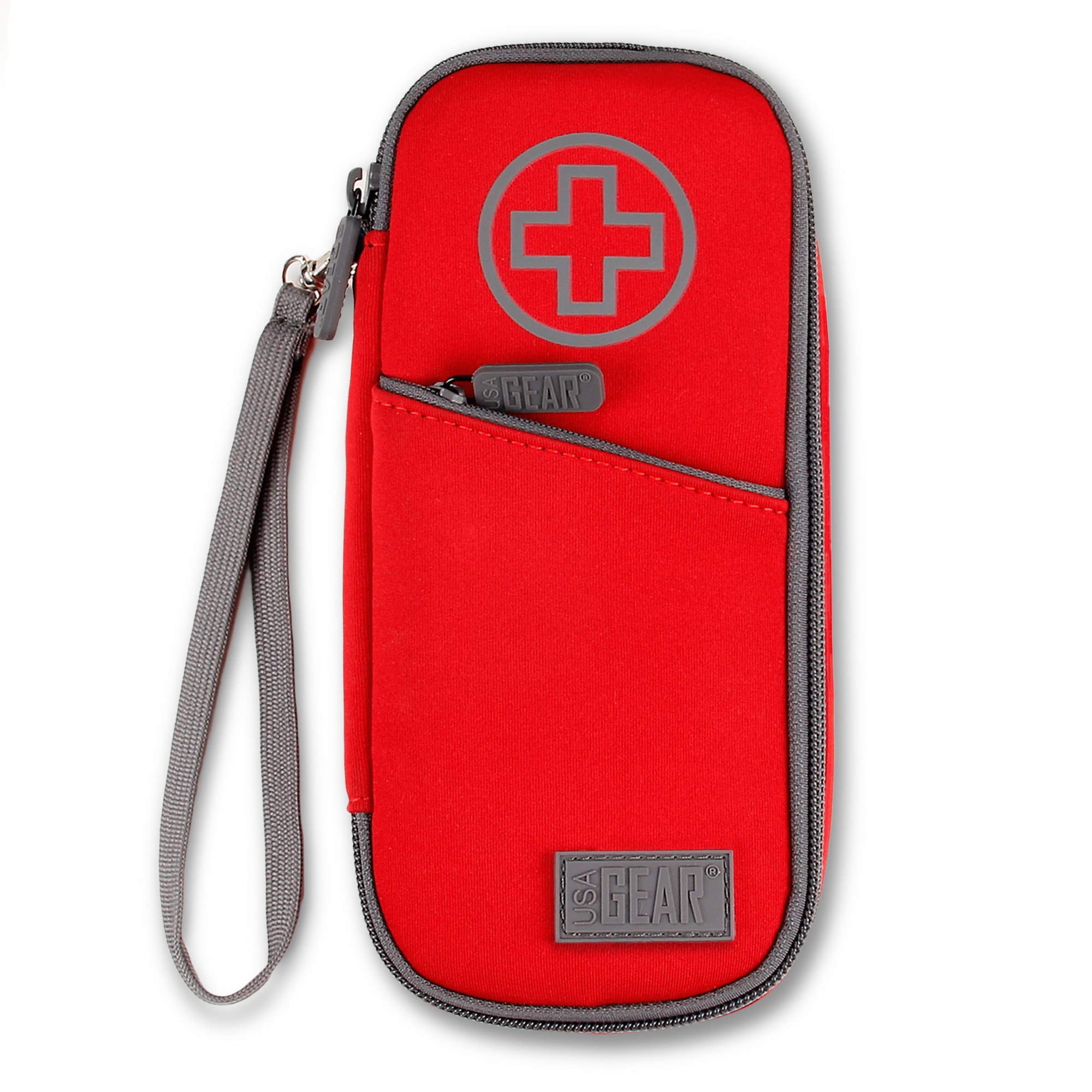
Insulated case with room for a meter, strips, pens and vials, plus a cooling compartment — the do-everything size for most trips.
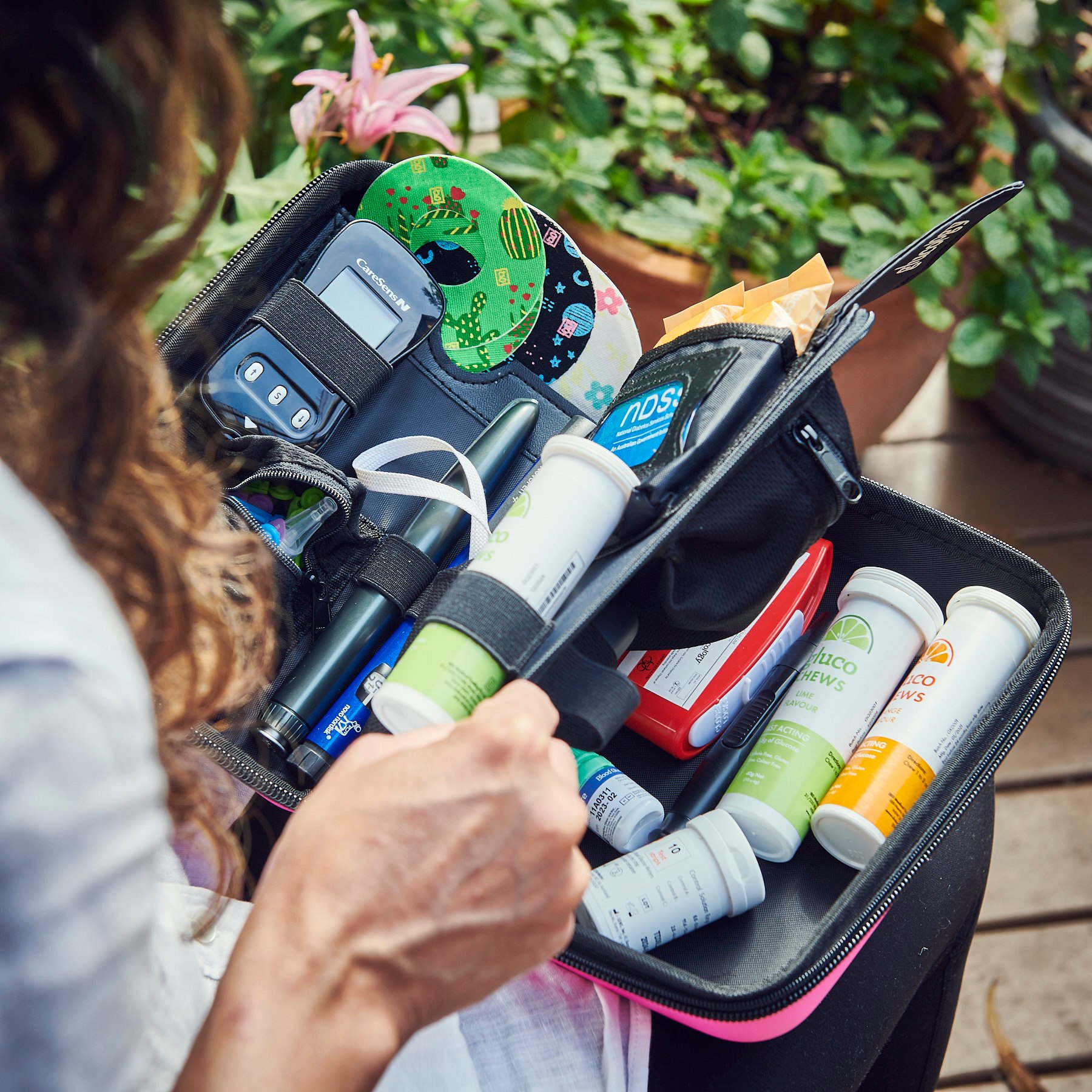
A larger organizer bag built for full supply kits: meter, pens, pump supplies and spares, with elastic loops and pockets that keep everything findable.
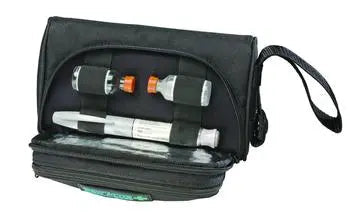
A rigid case with a refreezable cooling insert sized for insulin pens — protection against both heat and being crushed in a bag.
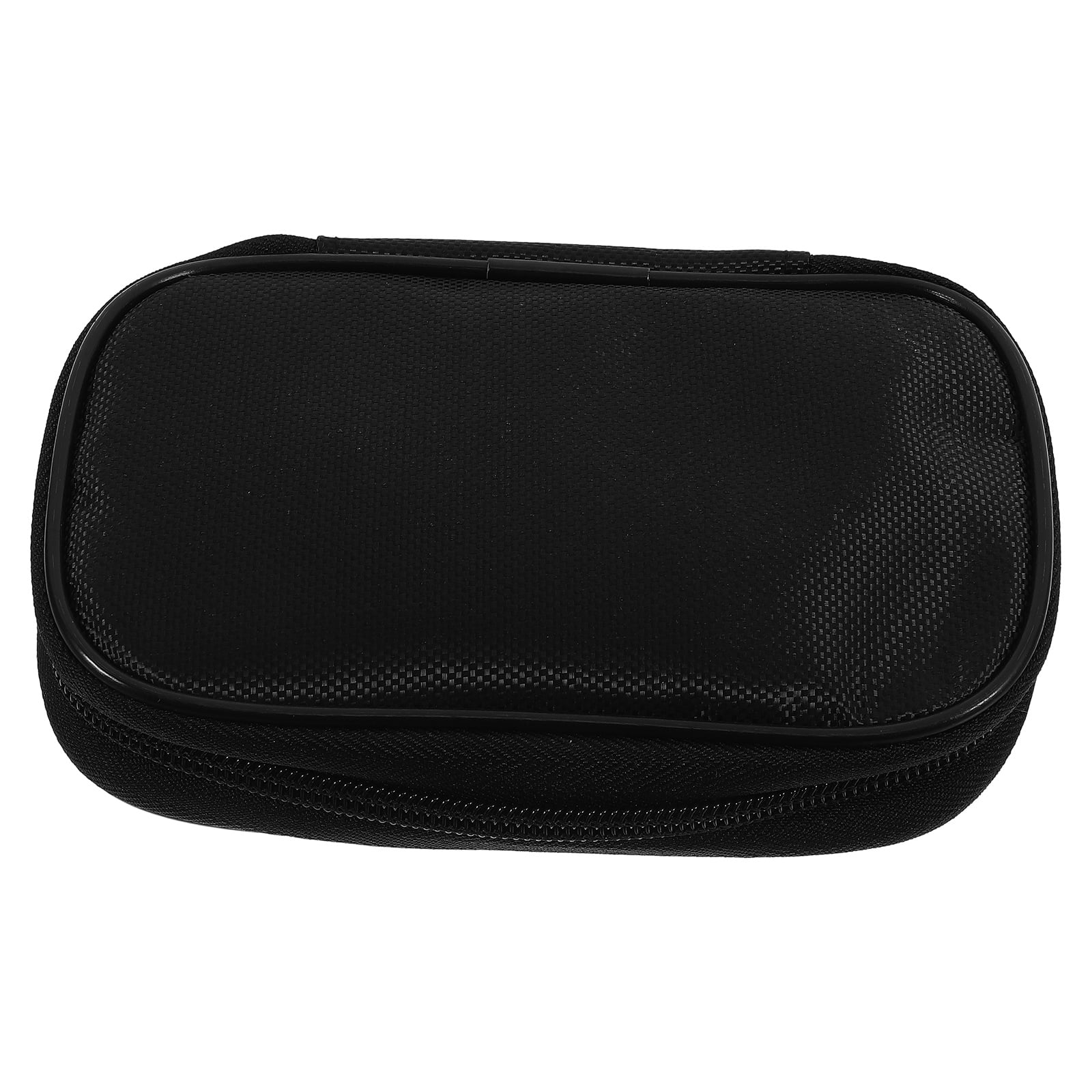
A lightweight cloth organizer that keeps a meter kit tidy in a purse, glove box or carry-on — no cooling, just order.
Diabetes supplies travel badly by default. Insulin is a protein: freeze it and it is ruined, bake it in a hot car and it quietly loses strength, and neither failure is visible to the eye. Meters and strips dislike temperature extremes too, and a loose lancet in a wash bag is a small hazard looking for a finger. A purpose-built case is not an accessory — it is how the supplies you depend on arrive still working.
| Case | Type | Cooling | Best for | Approx. price |
|---|---|---|---|---|
| USA Gear Diabetic Bag | Soft insulated case | Insulated compartment | Most trips — meter kit plus pens | CA$24.99 |
| Glucology Plus Bag | Large organizer | None — storage focus | Full kits, pump supplies, long trips | CA$69.33 |
| Medicool Pen Plus | Rigid hard case | Refreezable insert | Hot climates, pens that need protection | CA$66.36 |
| Raindrops Organizer | Cloth organizer | None | Everyday carry — purse, car, desk | CA$12.11 |
Meter and strips (plus a spare battery), lancing device and double the lancets, insulin and pens with prescription labels where you have them, a travel-size sharps container, glucose tablets in two places, prescriptions or a medication list, and your care team's contact details. Photograph the whole kit before you leave — if anything is lost, the photo is your shopping list at a strange pharmacy. One more habit worth stealing: on travel days, test more often than usual. New food, new schedules and long walks move blood sugar in ways home routines do not.
Yes. Diabetes supplies — insulin, pens, syringes, lancets, meters, strips and the ice packs to keep insulin cool — are permitted in carry-on baggage in Canada and the United States, and are exempt from the usual liquids limits for medical items. Keep supplies together in one case, declare them if asked, and expect the cooling pack to be swabbed or inspected on occasion.
It should not. Checked bags can be exposed to freezing temperatures in the cargo hold, and frozen insulin must be discarded even after it thaws — the damage is invisible. Checked bags also get lost. Insulin, your meter and at least several days of supplies belong in your carry-on, every time.
Most insulins in use keep for about 28 days at room temperature, but the exact limit varies by product — check the instructions that came with yours. What matters in transit is avoiding the extremes: never let it freeze, and do not leave it in a hot car or in direct sun. An insulated case handles ordinary days; add a cooling insert for heat.
The standard advice is at least double what you expect to use — strips, lancets, sensors, insulin — split across two bags where possible. Add glucose tablets in your personal item, a spare meter battery, and a small sharps container. If you use a CGM, pack a backup fingerstick kit too, in case a sensor fails early far from home.