Single-use lancets for your lancing device. Finer gauges (higher numbers like 33G) mean a gentler prick. Always use a fresh lancet for every test.
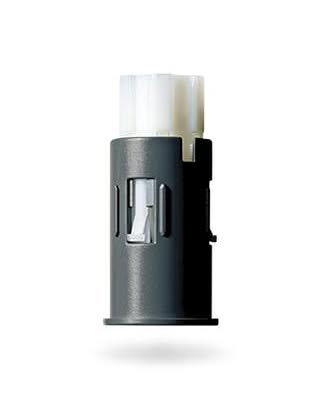
Preloaded 6-lancet drums for the FastClix system — no handling individual lancets. 102 lancets per box.
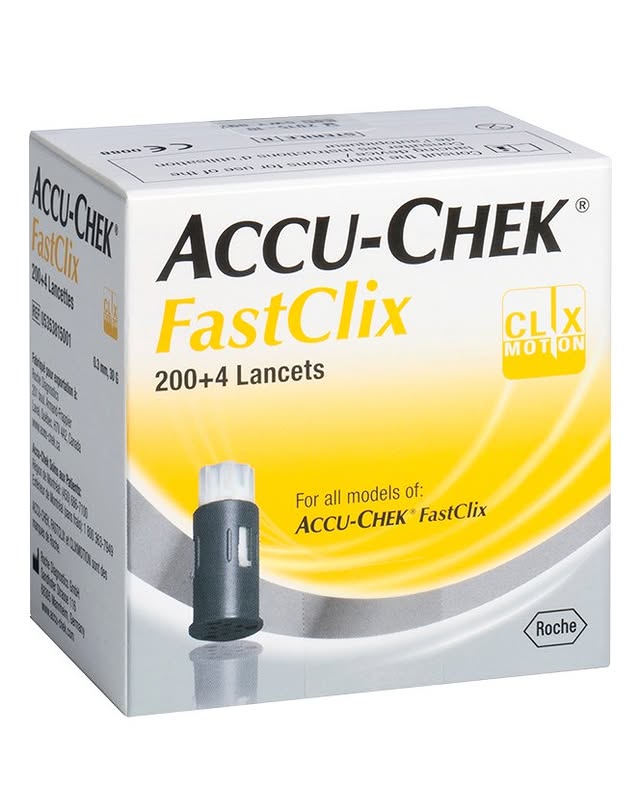
The same FastClix drum system in a double-size 204-count box for less per lancet.
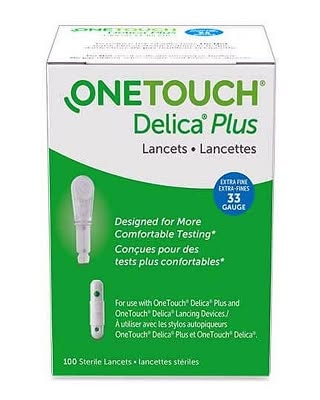
Fine 33-gauge lancets designed for the Delica Plus lancing device — a gentler option for sensitive fingers.
Lancets are the cheapest part of home testing and the part people most often get wrong — usually by stretching one lancet across days of tests. A few basics make finger-pricking about as painless as it gets.
A lancet's gauge (G) measures how thick the needle is — and the scale runs backwards from what most people expect: the higher the number, the thinner the needle. A 33G lancet is finer than a 30G, which is finer than a 28G. Finer lancets generally hurt less, but very fine lancets can struggle to draw a full drop from thick or callused skin. Most people land on 30G or 33G; if your fingertips are work-toughened, 28G may simply work better.
A lancet tip is sharp for exactly one use. Under magnification, a used tip is visibly bent and burred, which is why a reused lancet hurts more — it tears rather than glides. Reuse also carries a real infection risk. Manufacturers and diabetes educators are consistent on this: lancets are single-use. At bulk prices of a few cents each, the fresh one is the cheapest comfort upgrade in all of diabetes care.
Most lancets use a standard twist-top design that fits most lancing devices, but there are two important exceptions. Accu-Chek's FastClix system loads a drum of six pre-loaded lancets instead of individual ones — convenient, and there are no loose sharps to handle. OneTouch Delica devices use their own finer lancets shaped for that device. Check which family your device belongs to before ordering a large box.
Used lancets are sharps. Drop them into a proper sharps container (an inexpensive pharmacy item), and return the full container through your pharmacy's sharps program. Do not throw loose lancets into household garbage, where they can injure whoever handles the bag.
Every test, ideally. A lancet is sterile and sharp for a single use; after that the tip dulls and burrs, each prick hurts more than the last, and the risk of infection rises. If cost is the worry, buy in bulk — lancets are the least expensive supply in home testing, often just a few cents each.
Generally the finest one that still draws a proper drop for you — 33G is among the finest commonly sold, with 30G a popular middle ground. If a fine lancet repeatedly fails to produce enough blood, step down to a thicker gauge rather than squeezing harder.
Mostly, but not entirely. Standard twist-top lancets fit the majority of lancing devices. The exceptions are drum systems such as Accu-Chek FastClix, which take pre-loaded drums, and devices like the OneTouch Delica, which use their own lancet design. Match the lancet to your device before buying in quantity.
Put them in a sharps container — never loose in the trash or recycling. Pharmacies sell inexpensive containers and most accept full ones back for safe disposal. If you travel, a small travel sharps tube keeps used lancets contained until you are home.