From simple no-coding meters to wireless smart models that sync with your phone. Pick the one that fits how you test.
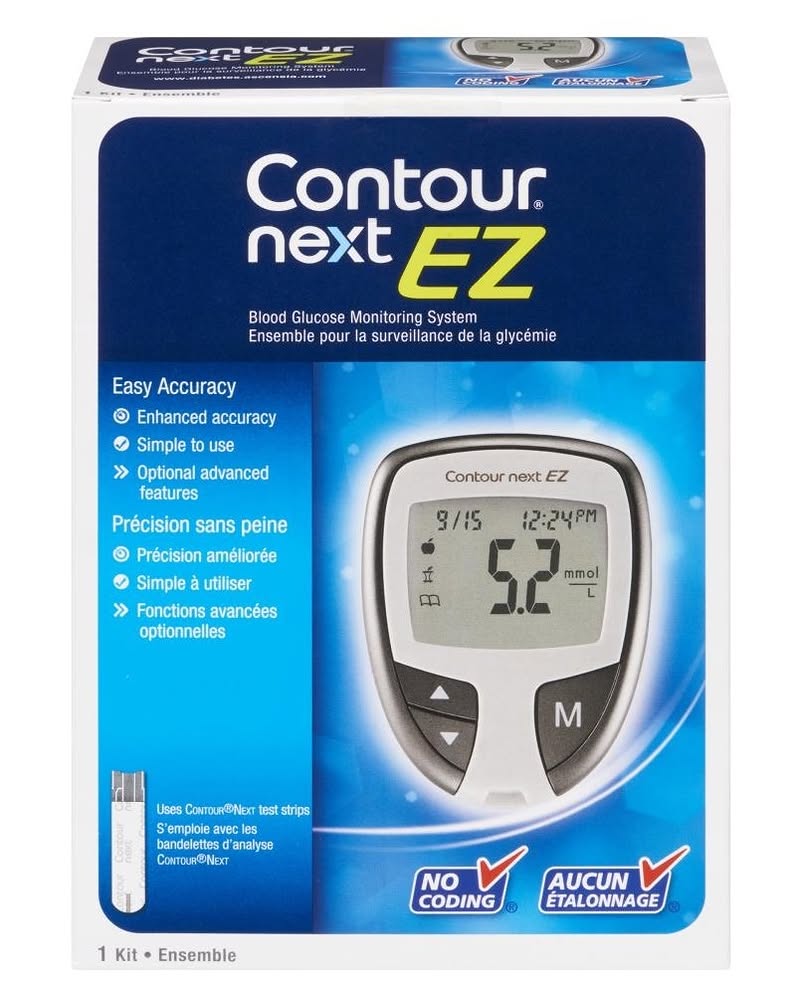
No-coding meter with straightforward operation — a long-time favourite for uncomplicated daily testing.
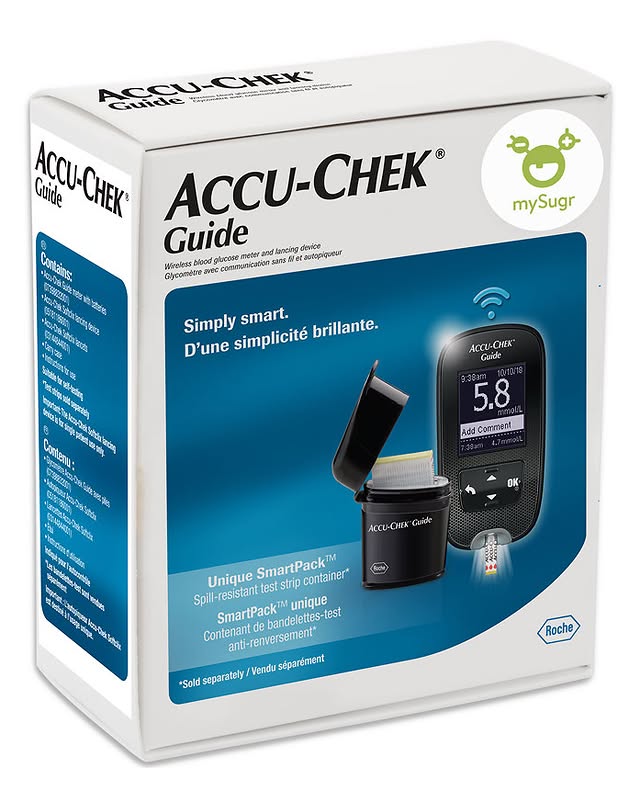
Wireless meter bundled with a lancing device. Spill-resistant strip vial and Bluetooth syncing to the mySugr app.
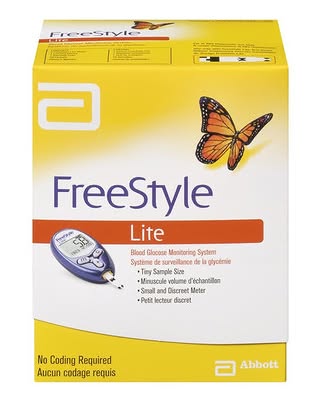
Small meter designed for the FreeStyle Lite strip system, with a backlit display for low-light testing.
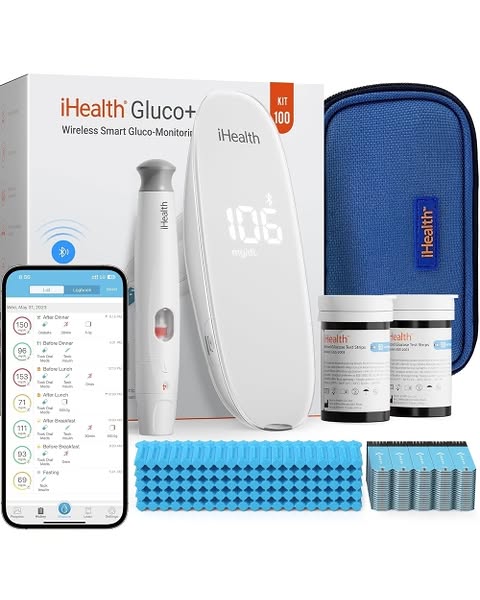
Wireless smart meter that syncs readings to your phone for tracking trends over time.
A glucose meter is a small purchase that you will live with every day, so the best choice is rarely the fanciest one — it is the one whose strips you can afford and find easily, with a screen you can read and controls you can work without thinking. Here is what actually separates one meter from another.
The meter is bought once; its strips are bought forever. Before falling for any meter, price its strips in the count you will actually use, and check they are stocked by the pharmacy or online store you prefer. All four systems above use widely available strips, but their per-strip prices differ enough that the "expensive" meter can be the cheaper system within a year.
Meters sold in Canada and the United States must meet the international accuracy standard for home meters (ISO 15197), which requires most readings to fall within about 15% of a laboratory reference. In practice, technique matters as much as the device: clean, fully dry hands, in-date strips stored away from heat and humidity, and a proper drop of blood will do more for accuracy than upgrading meters.
| Meter | Best for | Uses these strips | Approx. price |
|---|---|---|---|
| Ascensia Contour Next EZ | Simple, uncomplicated daily testing | Contour Next | CA$39.99 |
| Roche Accu-Chek Guide | Bundle value and app syncing | Accu-Chek Guide | CA$44.99 |
| Abbott FreeStyle Lite | Compact size, backlit display | FreeStyle Lite | CA$48.44 |
| iHealth Gluco+ | Automatic phone logging | iHealth | CA$69.99 |
Whichever meter you choose, pair it with its matched test strips and a lancing device set to the shallowest depth that gives you a good drop — that combination, used consistently, is what good home testing looks like.
A meter typically lasts for years. It runs on a replaceable battery, and there is nothing to wear out in normal use. Replace it if it is damaged, if readings stop matching how you feel, or if control-solution checks fall outside the range printed on your strip vial.
No. Glucose meters, test strips and lancets are sold over the counter in the United States and Canada, no prescription required. Coverage under insurance or a public drug plan is a separate question — many plans cover specific brands, so it is worth checking your plan's preferred brand before choosing a meter.
The meter itself can be shared if it is cleaned as the manual directs, but lancets and lancing devices must never be shared — see the safety notes on our lancing devices page. In practice, most households where two people test find separate meters simpler and safer.
Home meters test a drop of capillary blood from your fingertip, while the lab tests a venous sample, and the two rarely match to the digit. Standards allow home meters a margin of about 15% around the lab value, and timing matters too — blood sugar moves quickly after meals. Judge your meter by whether it tracks the lab closely, not by whether it matches exactly.