Strips are meter-specific — always buy the strip made for your exact meter model. These are the strips for the most popular meters.
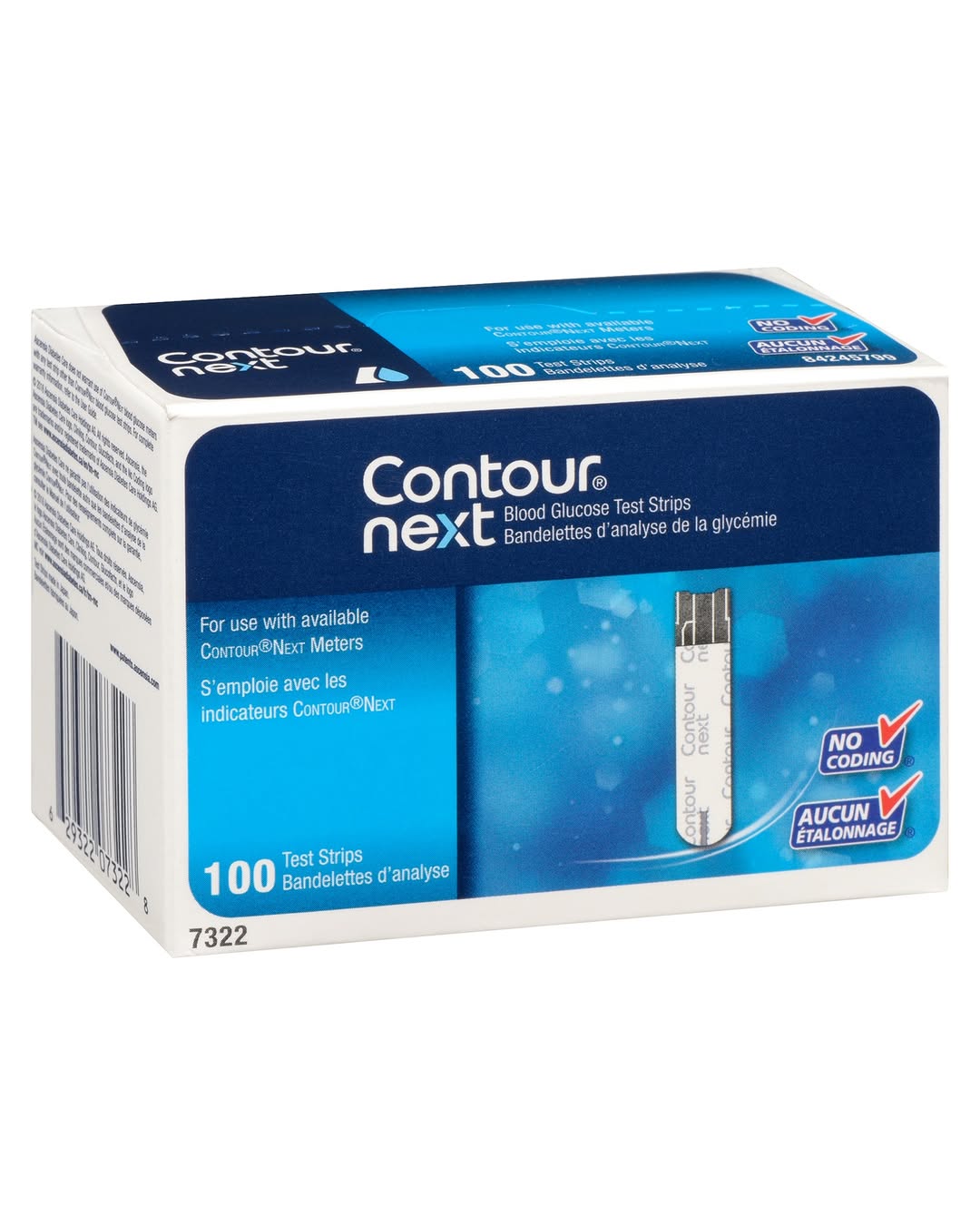
Made for Contour Next series meters. Keep the vial capped — strips are sensitive to moisture.
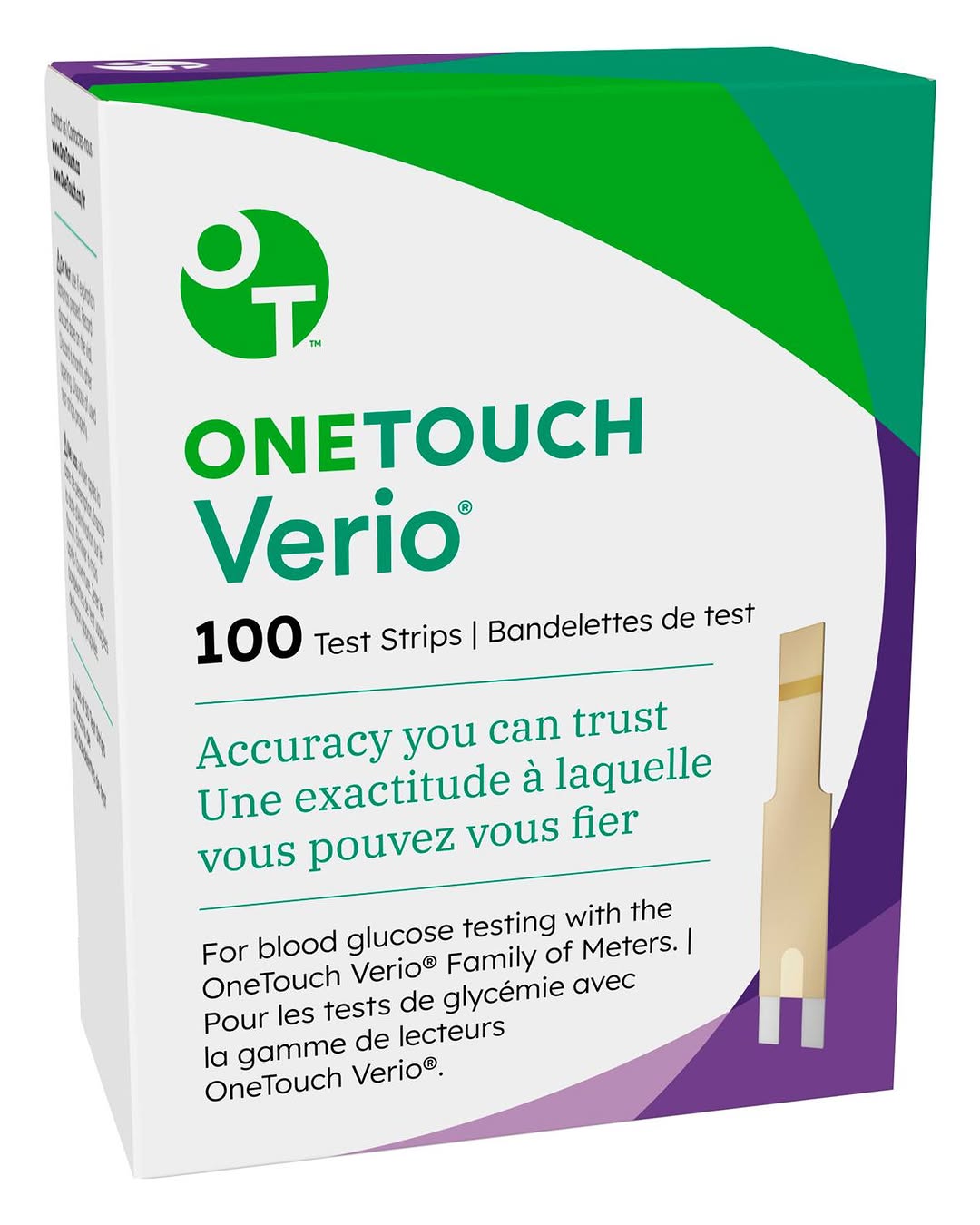
The strip for the OneTouch Verio meter family from LifeScan.
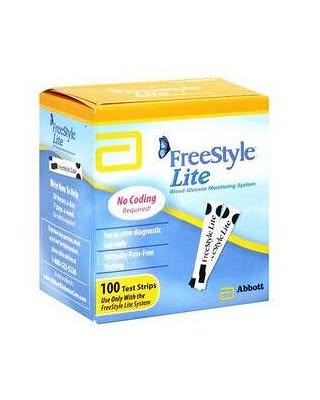
Matched to the Abbott FreeStyle Lite meter. Small sample size for comfortable testing.
Test strips are where home testing money goes: a modest per-strip price, multiplied by every test, every day. Choosing well and storing them properly protects both your budget and your readings.
Every strip is made for one meter family and will not work — or worse, will work inaccurately — in another. A strip that physically slides into a different meter is still not calibrated for it. Match the name on the vial to the name on your meter exactly, including suffixes like Lite, Guide or Next.
A test strip works because of a measured enzyme coating, and that coating degrades with time. Using strips past their printed expiry risks readings that drift from your true blood sugar. Many brands also specify a use-by period after the vial is first opened — check your vial, and write the date you opened it on the label so the maths is done for you.
Compare strips by price per strip, not price per box: a 100-count vial almost always beats two 50s. If your plan or pharmacy benefit favours one meter brand, that preference is worth real money over a year of testing — check it before you commit to a system. Lower-cost compatible strips exist for some popular meters; quality varies, so official strips for your meter remain the safe default.
Control solution is a liquid with a known glucose range. Run it like a blood test when you open a new vial, if you drop your meter, or if a reading does not match how you feel. The result should fall inside the range printed on the strip vial. It is a five-dollar way to know your meter-and-strip system is telling the truth.
It is not recommended. The enzyme coating on a strip degrades over time, so expired strips can read high or low compared with your true blood sugar — and a wrong reading is worse than no reading. Check the date on the vial, and note any use-within period after opening that your brand specifies.
No. Strips are designed and calibrated for one specific meter family. Even if another strip fits the slot, the meter cannot interpret it correctly. Always buy the strip named for your exact meter model.
That depends on the testing routine your doctor or diabetes educator sets for you — some people test once a day, others before each meal. Strips commonly come in vials of 25, 50 or 100; once you know your routine, buy the count that keeps fresh strips on hand without a large stock expiring on the shelf.
Control solution checks that your meter and strips are working together correctly. You apply it to a strip exactly like blood, and the meter should show a result inside the range printed on the strip vial. Use it with a new vial of strips, after dropping the meter, or whenever a reading seems wrong.