Every test produces a used lancet. A proper container costs a few dollars, lasts for months, and keeps everyone who handles your garbage safe.
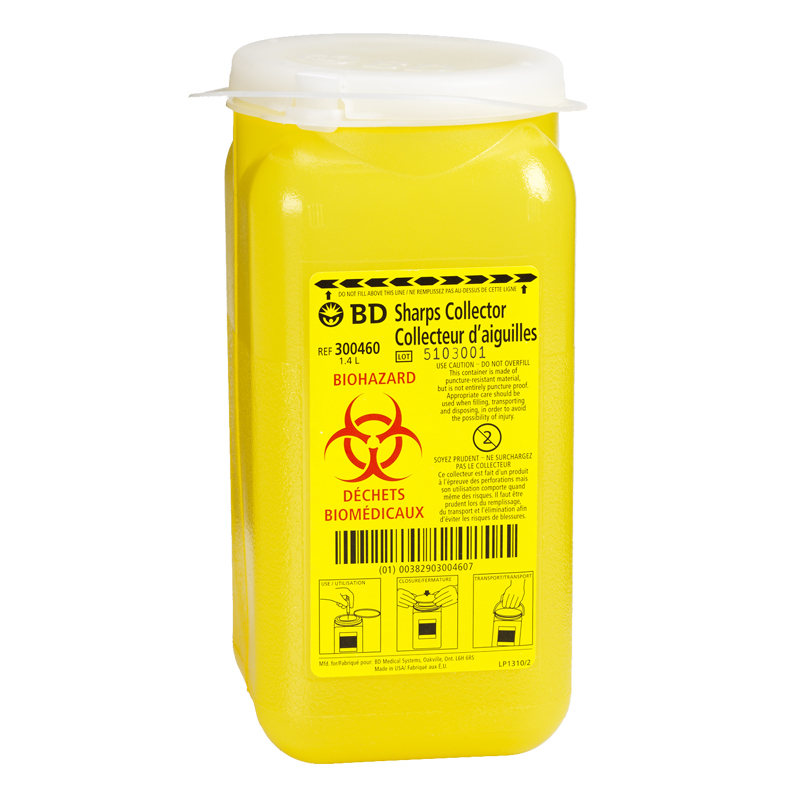
The container most pharmacies hand out thinking of: a rigid, puncture-resistant 1.4-litre box with a locking lid, sized for a bathroom counter and months of lancets.
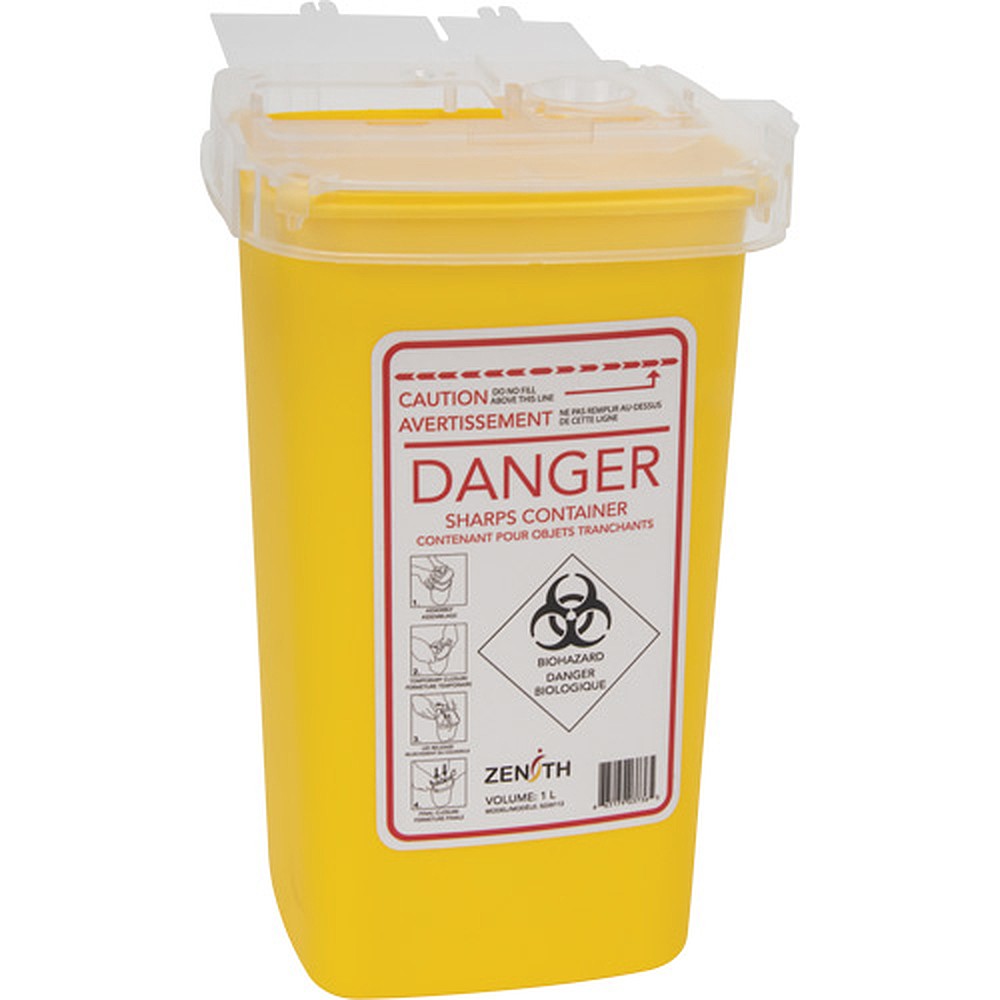
A simple, inexpensive 1-litre sharps container in the familiar yellow — proof that doing disposal properly costs less than a coffee.
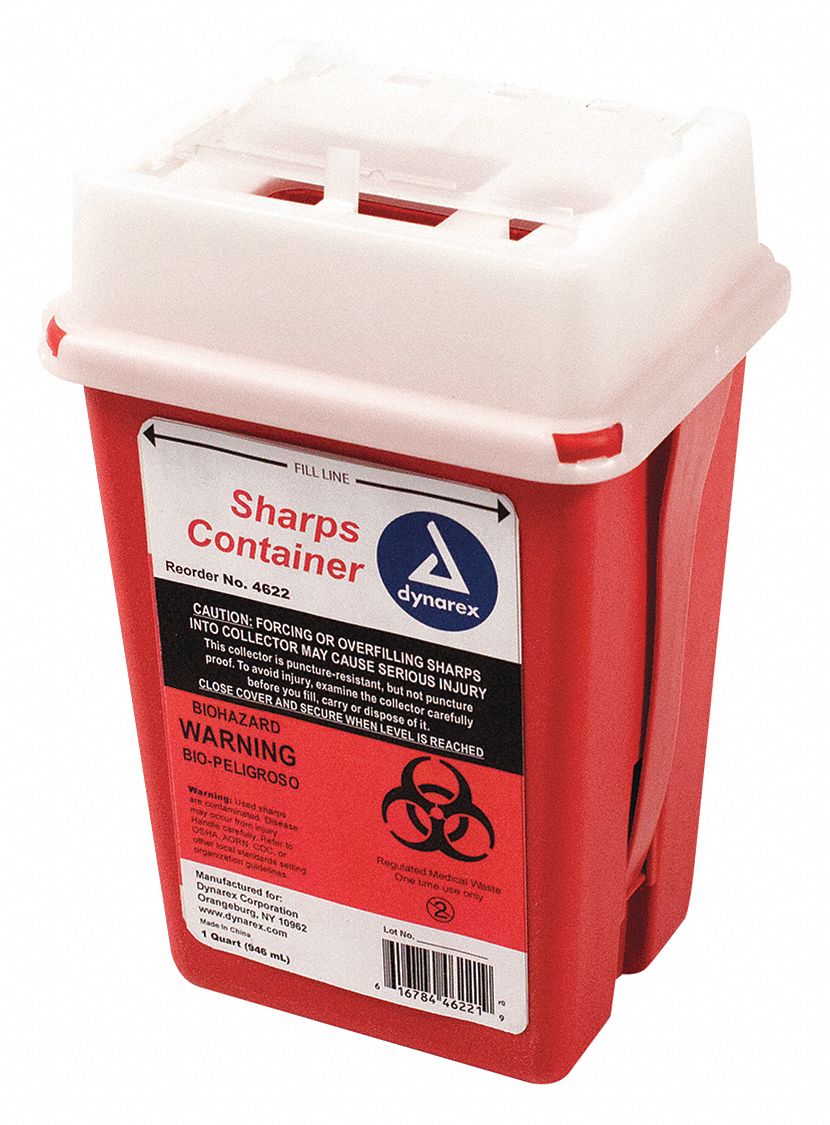
A 1-quart container with a sliding lid that keeps contents in and fingers out between uses — handy where children or pets share the bathroom.
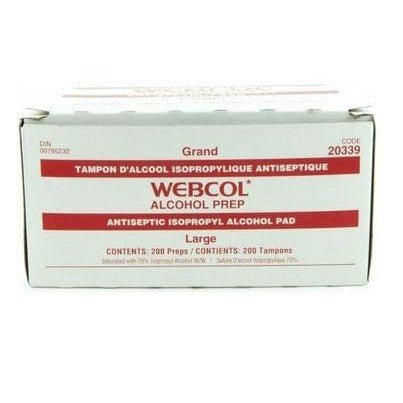
Sterile 2-ply alcohol prep pads, 200 to a box — the standard wipe for cleaning a fingertip or an injection or sensor site before you start.
A lancet is sterile for exactly one use. What happens in the ten seconds after that use is the whole subject of this page: the used lancet goes straight into a rigid, puncture-resistant container — not back into its cap, not into the bathroom bin, and never loose into household garbage, where it can stick the person who ties the bag, collects it, or sorts recycling downstream.
Fill to the marked line — roughly three-quarters full — then lock the lid for good. Do not empty and reuse a sharps container. Disposal routes are local: in much of Canada, pharmacies accept sealed sharps containers through provincial stewardship programs, and many municipalities take them at household hazardous-waste depots. If you are unsure, ask your pharmacy — they will know the local route, and many will simply take the sealed container from you. Never put a sharps container, sealed or not, in recycling.
| Product | Capacity | Key feature | Approx. price |
|---|---|---|---|
| BD Home Sharps Container | 1.4 L | Locking lid, counter size | CA$8.49 |
| Zenith Safety Sharps Container | 1 L | Lowest cost, standard yellow | CA$5.99 |
| First Aid Only Sharps Container | 1 quart (~0.95 L) | Sliding lid | CA$11.89 |
| Webcol Alcohol Prep Pads (200) | 200 pads | Sterile, 2-ply, individually wrapped | CA$14.99 |
Alcohol prep pads have two jobs. For injections and CGM sensor sites, wiping with alcohol and letting it dry is standard skin prep. For fingerstick testing, the modern guidance is plainer: washed, fully dried hands are the first choice, because residue — including alcohol that has not dried, and far worse, food sugars — can distort a reading. If you do use a pad before a test, let the alcohol dry completely before pricking. Either way, pads are single-use: one pad, one wipe, into the bin (pads themselves are not sharps and go in regular garbage).
No — not loose, and not in a soft container. A used lancet can puncture a garbage bag and injure anyone who handles it. Used lancets belong in a rigid, puncture-resistant sharps container, and the sealed container goes to a pharmacy take-back program or a municipal hazardous-waste route, never into recycling.
In most of Canada, pharmacies accept sealed sharps containers through provincial stewardship programs, and many municipalities accept them at household hazardous-waste depots. The route varies by town, so the reliable first step is to ask your own pharmacy — they will either take the sealed container or tell you exactly where it goes locally.
Fill it to the marked fill line, which is roughly three-quarters full, then lock the lid permanently. Overfilling defeats the lid and leaves sharps near the opening where fingers go. Once sealed, a container is never reopened or emptied — it is disposed of as one unit and replaced.
Washed and fully dried hands are the preferred prep for a fingerstick test, because anything left on the skin — food residue above all, but also undried alcohol — can distort the reading. Alcohol pads remain standard for injections and sensor sites. If you use a pad before testing, let it dry completely before you prick.