A sensor worn on the arm reads your glucose around the clock — no routine fingersticks. Here is how the main systems compare, and how to decide whether CGM is worth it for you.
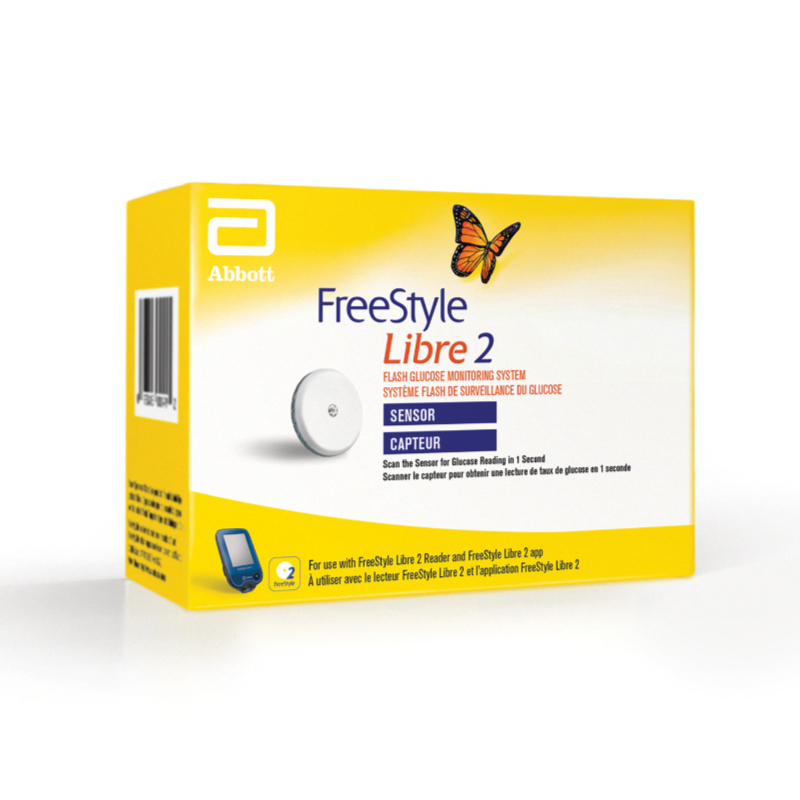
The sensor that brought CGM to the mainstream: worn on the back of the upper arm for up to 14 days, scanned with a reader or phone, with optional high and low alarms.
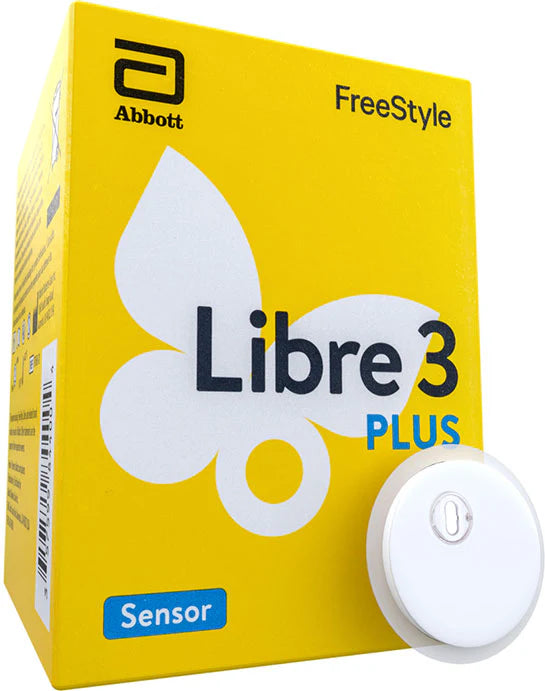
Abbott's smallest sensor, streaming readings to your phone every minute for up to 15 days per sensor — no scanning, no fingersticks for routine checks.
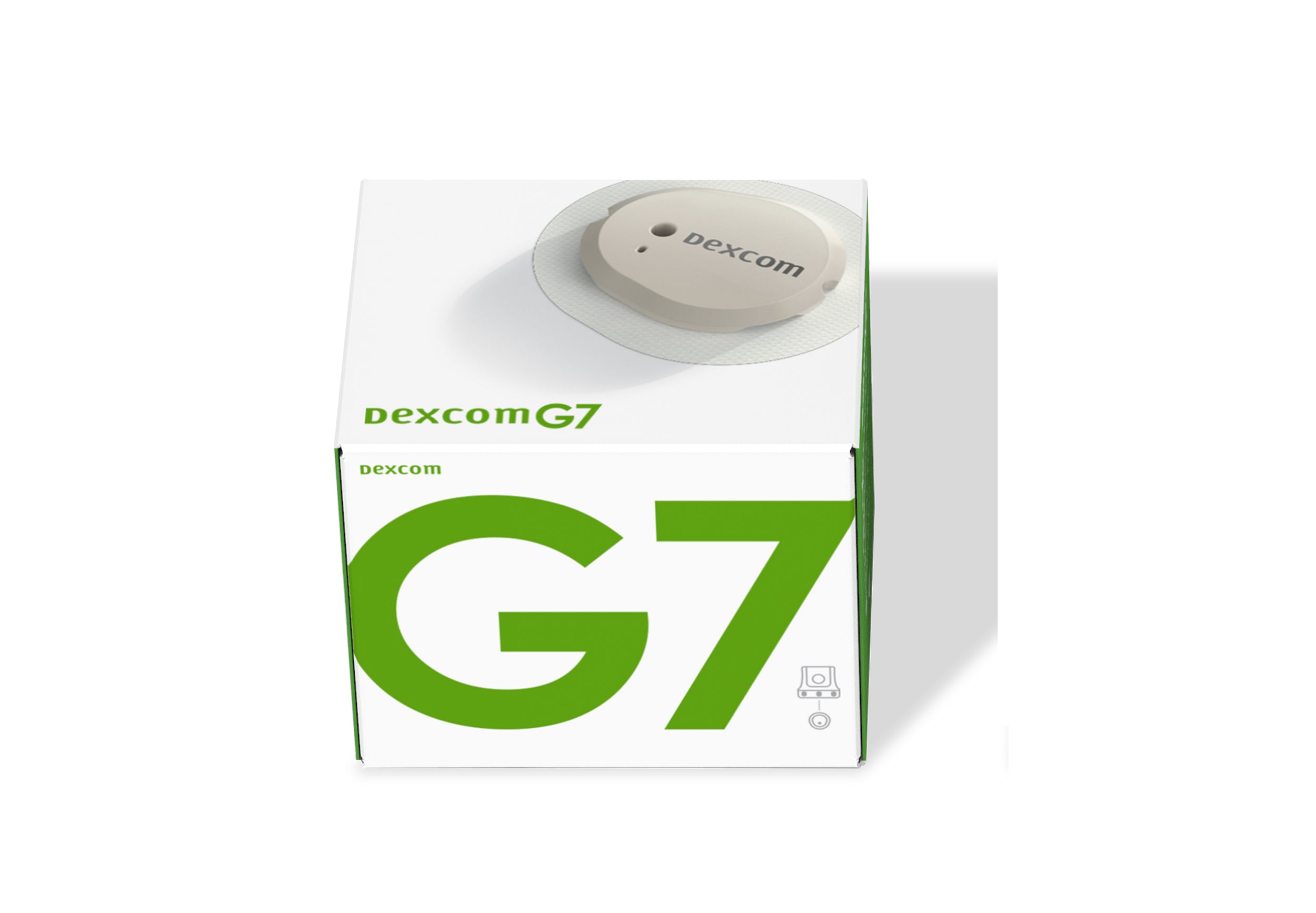
Dexcom's current flagship: a 10-day sensor with a 30-minute warm-up, readings straight to a phone or smartwatch, and customizable alerts.
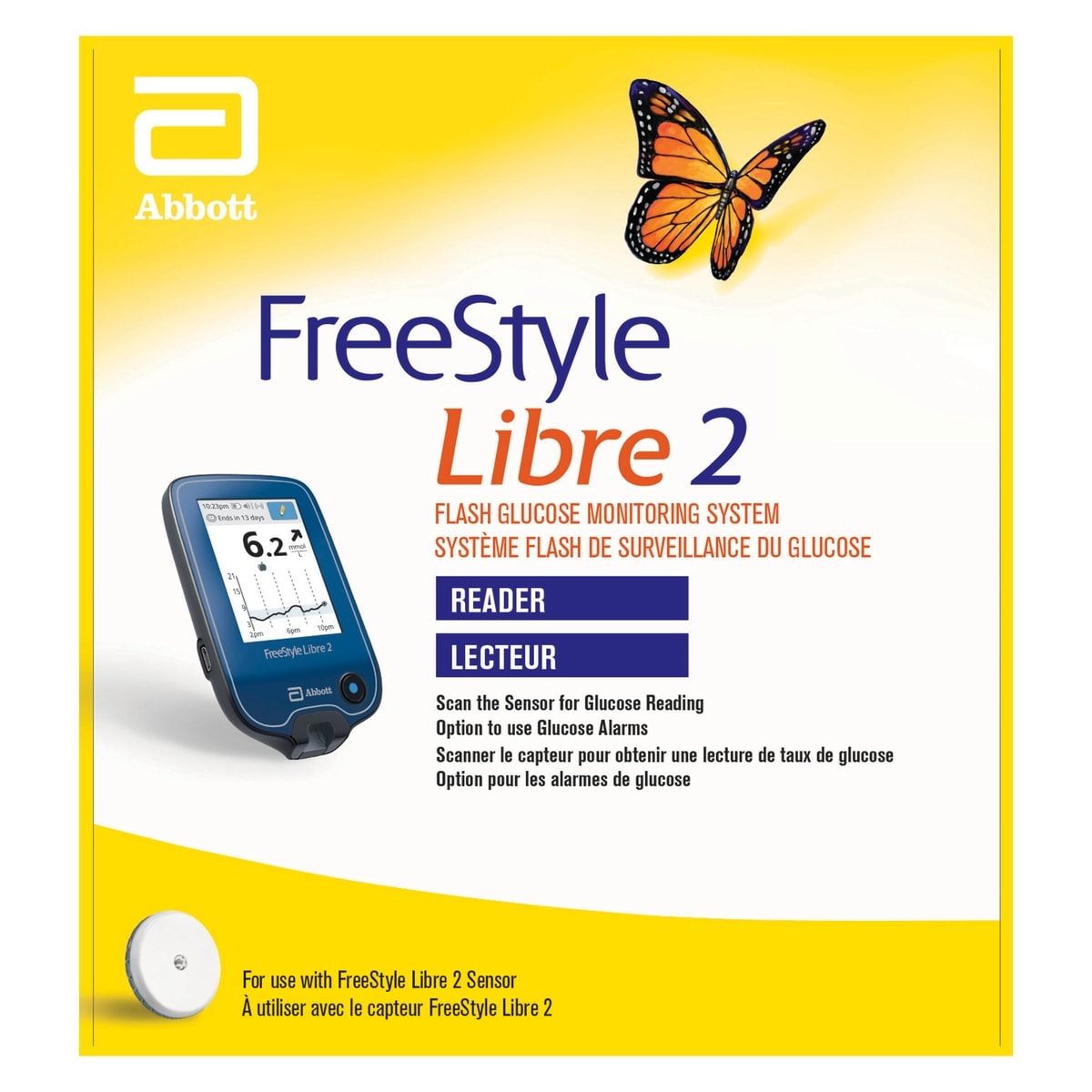
The dedicated handheld reader for Libre 2 sensors — for people who prefer not to use a phone, or want a backup way to scan.
A fingerstick meter gives you one number at one moment. A continuous glucose monitor wears a small sensor — a fine filament just under the skin — that samples the fluid between your cells every few minutes, day and night, for the life of the sensor. Instead of a snapshot you get a film: the overnight lows you never felt, the spike after breakfast, the slow drift before dinner. For many people that pattern view, and the alarms that come with it, are the real product.
| System | Wear time | How you read it | Best for | Sensor price (approx.) |
|---|---|---|---|---|
| FreeStyle Libre 2 | 14 days | Scan sensor with reader or phone; optional alarms | First CGM — simplest start, widely stocked in Canada | CA$102.99 |
| FreeStyle Libre 3 Plus | 15 days | Streams to phone automatically, every minute | Smallest sensor, longest wear, no scanning | CA$123.90 |
| Dexcom G7 | 10 days + 12-hour grace period | Streams to phone, watch or receiver | Customizable alerts and smartwatch readings | CA$120.00 |
CGM sits differently from meters in the system. In Canada, coverage varies by province and by plan — several public and private plans cover CGM for people who use insulin, and the rules change often enough that checking your own plan is essential before assuming the cost is yours. Some sensors are sold through pharmacies with a pharmacist's guidance; bring your care team into the decision, because which system your clinic can see data from matters too.
Still deciding? Our how-to-test guide covers the fingerstick routine CGM replaces, and the test strips page prices the alternative honestly — strips for occasional testing can cost less than sensors, which is why people who test once a day often stay with a meter while people who test four-plus times a day often come out ahead on CGM.
Yes — keep one. CGM readings lag blood glucose slightly because they sample the fluid between cells, and every CGM maker advises confirming with a fingerstick when a reading does not match how you feel, when glucose is changing fast, or if the sensor seems off. A basic meter and a small supply of its strips is cheap insurance.
FreeStyle Libre 2 sensors are worn for up to 14 days, Libre 3 Plus for up to 15 days, and Dexcom G7 for 10 days plus a 12-hour grace period to change it. When a sensor expires it stops reporting and is replaced with a fresh one — sensors are single-use and cannot be restarted.
Often, especially for people who use insulin — but coverage varies widely by province, plan and system, and the criteria change. Check your plan's current CGM criteria and ask your pharmacy what they see claimed most often before choosing a system, because coverage can make one brand far cheaper than another for you.
Libre sensors are approved for the back of the upper arm; Dexcom G7 is approved for the back of the upper arm and, for adults, the abdomen. Rotate sites between sensors, apply to clean, dry skin, and give a fresh sensor a little time to settle — readings in the first hours can run less steady than the days that follow.